|
«Главное для историка – факты.
Для агитатора – интонация»
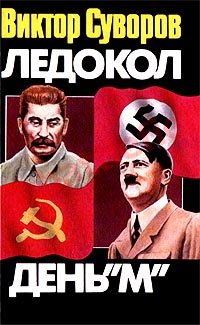
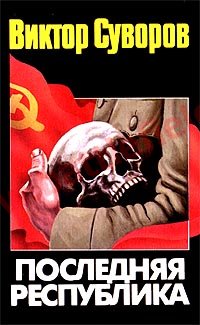
В. Резун, «Последняя Республика». Предисловие автора Прежде всего, хочу сказать, что данная статья является обзорной, я ни в коем случае не претендую на авторство некоторых идей и замечаний, которые в ней использованы. Все источники, которыми я пользовался при написании статьи, перечислены в конце этой статьи. Сама статья написана в далеком 2000 году, сегодня выпущено уже немало книг, раскрывающих истинную «ценность» творчества Владимира Богдановича Резуна. Тем не менее, я решил оставить эту статью, в основном, для того, чтобы показать отношение к его творчеству администрации портала The Russian Battlefield, хотя спорить уже особенно не о чем, сегодня утверждать, что Резун прав — это моветон. Конечно, есть отдельные динозавры, которые с удивительным упорством твердят обратное. Это нормально и это неискоренимо. Просто есть такой тип людей, они называются УПЕРТЫЕ. Такие люди отличаются косностью мышления, но уж если что-то запало к ним в голову, изменить это уже невозможно, хоть каленым железом жги. Они с пеной у рта будут твердить что Земля плоская, что Резун «в главном прав» и так далее. Поэтому цель данной статьи вовсе не подразумевает каких-то споров, диспутов. На тему книг Резуна было уже много всякого рода публикаций, как в сети, так и в прессе. Многие ругают его за явно лживые характеристики техники. Но дело даже не в этом, а в том, что на неверных вводных он строит неверные выводы. Если бы Резун действительно ошибался, если бы он был просто дилетантом, то статью писать я бы не стал. Но, прочитав не единожды три его книги «Ледокол», «День М», «Последняя Республика» я пришел к стойкому убеждению, что Резун лжет совершенно сознательно. Поэтому он не дилетант, он самый настоящий фальсификатор. Книги Резуна читаются легко и интересно. Резун — прекрасный писатель и публицист. И еще — хороший психолог. Поневоле будешь верить человеку, который способен легко и доступно объяснять сложные вещи. В серьезных исторических трудах есть масса вопросов, на которые нет однозначного ответа. У Резуна вы такого не встретите. В книгах Резуна нет сомнений, он уже все знает. Он говорит убедительно, у него отсутствует сомнение. Он берет факт и объясняет его значение. Или многозначительно намекает, дескать, мы то с вами понимаем скрытый смысл. Быть приобщенным к чему-то таинственному, быть прозорливым — это импонирует читателю. Кроме того, советская пропаганда, особенно в брежневский «застой» стала настолько вульгарной и бесстыдной, что все от нее просто смертельно устали. И тут — Резун. В своих книгах он начинает спорить именно с советскими пропагандистами, правда не с какими-то конкретными личностями, не с какими-то конкретными трудами, а с неким туманным понятием типа «кремлевских историков», «кремлевско-лубянских пропагандистов» и т. п. Это очень удобно, т. к. освобождает от необходимости заниматься цитированием конкретных произведений, зато позволяет самому придумывать всякую глупость, а потом самому же с блеском эту глупость опровергать. К тому же поневоле действует закон «кто не с нами, тот против нас», или кто против «пропагандистов», невольно становится на сторону Резуна. Поэтому неудивительно, что его книги оказали такое воздействие. Сторонники гипотезы Резуна в споре ведут себя, тем не менее, очень шаблонно. Чаще всего, они пытаются найти хоть какой-то огрех в аргументах противника. Этот метод в просторечии называется «сам дурак». Найдя ошибку, пусть даже незначительную, раздувают ее до размеров слона и потом заявляют, что это ТАКОООЙ важный момент, а раз автор ошибся, то все остальные десять тысяч его аргументов даже не стоит рассматривать, а стало быть Резун «в главном прав». Взять хотя бы вышедшую в конце 2004 года книгу А.Исаева «Антисуворов: большая ложь маленького человечка», где очень наглядно доказывается несостоятельность гипотезы Резуна буквально по всем пунктам. Периодически на разных форумах можно встретить такие реплики «у Исаева у самого масса ошибок». То есть, сам дурак. Хотя в детали — где имеено у Исаева ошибки — такие правдоискатели предпочитают не вдаваться. В основном потому, что сами предмет знают нетвердо и просто от кого-то слышали, мол, « у него там ошибок полно». Хотя, если такой метод применить к творчеству самого Резуна, то его книги смело можно спускать в унитаз уже по прочтении первой страницы. Видя, что я стараюсь аккуратно цитировать перлы Резуна, несколько раз меня пытались обвинить в том, что я, дескать, сам искажаю его цитаты. Поэтому я вынужден тут даже привести обложки тех книг, откуда я цитировал. А вот и выходные данные:
Виктор Суворов «Ледокол. День М», Москва, АСТ, 1996 ISBN 5-88196-303-2
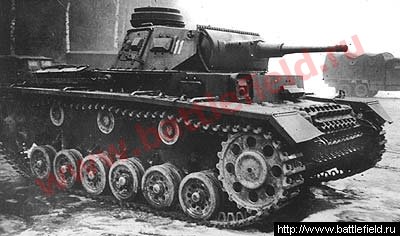
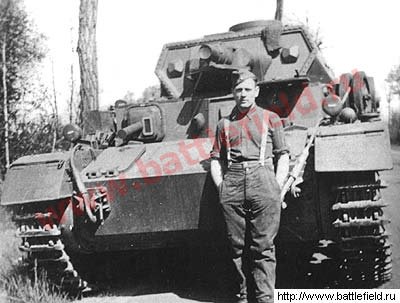
Виктор Суворов «Последняя республика», Москва, АСТ, 1996 ISBN 5-88196-559-0 На заре перестройки, когда я был совсем юн, мне довелось прочесть в самиздатовском исполнении «Ледокол». Мне было 16 лет, ничего подобного я не читал, а Резун был убедителен. Я ему поверил. Меня тогда тоже распирало от нового Знания, от того, что я прозрел, как мне тогда казалось. Потом я стал читать все больше и больше, прочел некоторые из тех книг, на которые ссылается Резун и с удивлением стал замечать, что те книги, на которые он ссылается, на самом деле говорят совсем о другом! Практически вся доказательная база Резуна построена на косвенных уликах. Возмите суд любой цивилизованной страны мира и вы с удивлением обнаружите, что доказательство, построенное таким образом, будет признано недостаточным. А у Резуна на поверку выходит, что и сами эти «доказательства» искажены, а кроме того любые факты противоречащие им вообще проигнорированы. Много раз Резуна ловили на разного рода ошибках. Его последователи говорят «Ну хорошо, в технических вопросах он ошибается. Но в ГЛАВНОМ ведь он прав!» Конечно, все обсуждаемые ошибки у Резуна — это «некоторые», и даже «не особо принципиальные». Дураки все антирезунисты, не понимают ГЛАВНОГО в работах исследователя-аналитика! Опять и снова выплывает фраза, ставшая уже легендарной «Резун может ошибаться в деталях, но в ГЛАВНОМ-то он прав!» Только вот никто из «резунистов» нигде четко не дает ответа на вопрос — а что же главное у Резуна? И почему Резун «деталям» посвящает целые книги, а это «главное» остается где-то за кадром, да так, что антирезунисты никак не могут приступить к его опровержению? Я считаю, что это «Главное» — есть совокупность тех самых «деталей». Именно из них он собирает свой главный тезис. Если требуется доказать, что какое-то утверждение является ложным достаточно опровергнуть те доказательства, на которых оно воздвигнуто. А доказательства — это как раз те самые «детали», те самые БТ с подводным ходом, тысячи ТБ-7, наступательные планы страны и многое-многое другое, что уже было по многу раз опровергнуто с самых разных сторон. Многие резунисты полагают так: «Советский Союз не готовился оборонятся. Он собирался сам напасть на Германию!» Это не так, ибо то, что СССР имел наступательные планы, не скрывалось официальной советской историографией. Собственно, если вы ознакомитесь с военными планами тех лет любой крупной державы, вы обнаружите что и в СССР, и в США, и в Великобритании под планами обороны своих госграниц понимали в том числе действия наступательного характера. У Финляндии, которую принято считать мирной безобидной страной, план обороны страны был наступательный: предполагалось наступать вглубь советской территории в Карелии (на Петрозаводск, Мурманск и т. д.), а линия Маннергейма предназначалась вовсе не «для обороны страны от большевистской угрозы», как пишет Резун, а для прикрытия фланга наступающей финской армии. И даже у первой жерты войны — у Польши — тоже план обороны предполагал проведение наступательных операций в Восточной Пруссии. Чисто оборонительные планы — это удел маленьких государств, которые вовсе не питают иллюзий насчет возможности отсидеться за оборонительными рубежами, а надеются оттянуть время пока одна из крупных держав не вступит в войну на их стороне. Основной же тезис трилогии Резуна таков: СССР являлся виновником начала Второй Мировой войны, т. к. готовил неспровоцированную агрессию против европейских государств и готовил ее именно в 1941 году. И именно эти действия явились поводом нападения Германии на СССР. Этому Резун посвятил все три книги. Я не буду последовательно останавливаться на каждой из глав его книг, ибо подтасовки и ложь есть на каждой странице, а я не собираюсь посвящать свою жизнь опровержению творчества Резуна. Я лишь покажу его методы фальсификации доказательств на тех утверждениях, которые кажутся мне ключевыми и на которые он в последующем ссылается как на уже доказанные факты. 1. Резун о танках Обложка книг «Ледокол» и "День... Обложка «Последней Республики» Линейка А-20 А-32, А-34. После... Немецкий серийный танк Pz.Kpfw... Немецкий серийный танк Pz.Kpfw... Проект советского БТ-5ПХ нагля... Валяющихся тут боеприпасов нав... | Начнем, пожалуй, с одного из наиболее важных утверждений — о количестве танков в  РККА на начало войны. Итак: РККА на начало войны. Итак: «На 21 июня 1941 года у Сталина 24000 танков.
...На 22 июня 1941 года на Восточном фронте Гитлер имел 3350 танков. Всего в Вермахте танков было чуть больше, но они были заняты на других фронтах, потому учитывать их мы не можем.»
(Последняя Республика, глава «А какие танки были у Гитлера?», стр. 269-270) Вообще-то в РККА танков было немного меньше — 23106 (ВИЖ № 11, 1993, статью можно прочитать здесь), но не будем придираться. Интересно другое: почему у немцев Резун учитывает не все танки, а лишь те, что были вовлечены в первый удар, а у нас он считает все танки? Когда я говорю «все», я имею ввиду совсем все, включая неисправные и те, которые не находились в западных военных округах, а, скажем, на Дальнем Востоке. В том же источнике приводится подробная статистика по танкам. Получается, что в западных военных округах было не 24000, как хочет убедить нас Резун, а лишь 12782, из них 2242 танков из них были не на ходу и требовали ремонта. Оставшиеся 10540 танков числились на 1 июня 1941 года в разряде боеготовых. Из них 8383 танков — бывшие в эксплуатации, часть из которых требовала мелкого войскового ремонта, а 2157 машин числились как совершенно новые, то есть с неиспользованным ресурсом моточасов. Это число танков в пяти приграничных западных военных округах. Таким образом, Резун более чем вдвое завысил число советских танков, участвовавших в летних боях 1941 года, особенно в приграничных. А вот с количеством немецких танков Резун обошелся куда правдивее: он сразу отмел те из них, что не участововали в летних боях на Восточном Фронте. Неправда ли, странная «избирательность» у господина аналитика? Мне все-таки хотелось бы вернуться к нашим танкам, числившихся боеготовыми, частично требующими мелкого ремонта. Доподлинно неизвестно, какие именно поломки имели эти танки. Может быть, у них двигатель глох на холостых. А может у кого-то прицел был неисправен. Танк — машина очень сложная, там часто что-нибудь ломается. Какие-то поломки безобидны и машина может выполнять свои боевые функции, а какие-то оказываются весьма критичными, хотя исправить их вполне можно. Например, если у танка неисправен прицел, то боевые возможности такого танка резко снижаются, хотя исправить это можно, был бы запасной прицел. Конечно, наивно считать, будто я утверждаю, что все восемь тысяч танков были со сломанными прицелами. Просто привел его в качестве примера, как пустяковая поломка может резко снизить боеспособность машины в целом. В итоге, хочу сказать, что танков у СССР было конечно же больше, чем у Германии, я вовсе не утверждаю обратного. Просто нужно быть поаккуратнее с цифрами, а не выбирать наибольшее из них число (24000) ради красного словца, и потом размахивать им на протяжении нескольких глав своей книжки. Потому что это — подлог. «В 1941 году было пять элементов конструкции, которые выводили танк в разряд новейших:
— мощная длинноствольная пушка калибром 76-мм и выше;
— противоснарядное бронирование, т. е. способность устоять и выжить в условиях, когда противник применяет противотанковую артиллерию;
— широкие гусеницы, которые дают танку способность действовать практически на любой местности при любых погодных условиях вне дорог;
— рациональная компоновка: двигатель и силовая передача находятся рядом;
— дизельный двигатель: легкий, экономичный, главное — не подверженный быстрому возгоранию.»
(Последняя Республика, глава «А какие танки были у Гитлера?», стр. 279-280) Прочтя это, мне показалось, что если бы Т-34 умели летать, то «новейших элементов конструкции» было бы не пять, а шесть. Это я к чему? А к тому, что эти «элементы конструкции», похоже, подогнаны под характеристики КВ и Т-34. Но оставим мои подозрения и примем на секунду резуновскую систему как есть. По каждому пункту сразу возникает вопрос, почему именно так? Почему именно 76 мм? Почему двигатель и силовая передача обязательно вместе? Давайте разбираться! 1. Почему именно пушка калибром 76 миллиметров выбрана в качестве критерия? Резун это никак не объясняет, поэтому я вправе предположить, потому что такая пушка стояла на КВ-1 и Т-34 (если бы у Резуна действительно было какое-нибудь объяснение, он бы не преминул его озвучить, поскольку не стесняется аргументировать даже самые пустяковые свои гипотезы). Если бы на Т-34 стояла 57-мм или 85-мм пушка, то Резун выбрал бы ее в качестве критерия. То есть, вновь отмечаем: сначала лезем в конец книжки за ответом, а потом под готовый ответ подгоняем решение задачи. Резун написал «76 мм и выше», но саму цифру «76 мм» как отправную точку он ничем не аргументировал. На деле все обстояло совсем не так просто, как пишет Резун и сокральное число «76 мм» тут ни при чем. В предвоенный период и даже после начала войны для тяжелых танков калибр 76 мм вовсе не считался «мощным». Наоборот, он считался слабым, наиболее перспективными считались калибры 85 мм, а позднее 107 мм, и даже после начала войны работы по созданию тяжелого танка со 107-мм пушкой не оставили. Существовали проекты перевооружения танка Т-34 более перспективной артсистемой. Для «основного танка мото-механизированных соединений РККА» наиболее перспективным считался калибр 57 мм, а вовсе не 76 мм. Таким образом фраза «мощная длинноствольная пушка калибром 76-мм и выше» совершенно не верна: для разных перспективных танков предполагались разные артсистемы, как крупного, так и среднего калибра. Но начавшаяся война внесла существенные коррективы в советские планы, пришлось отказаться от многих перспективных проектов в пользу менее совершенных, но уже освоенных в серийном производстве. Именно поэтому 76-мм артсистема была выбрана и так долго доминировала для отечественных танков: налаженное производство технологичных пушек и широкой номенклатуры боеприпасов к ним были очень сильными аргументами для советской экономики того времени. 2. С бронированием тоже не все так просто. Да, чем толще броня — тем лучше, если отбросить такие негативные моменты, как большая масса и пр. Вопрос в другом: а хватало ли немцам в 1941 году брони на танках? Судя по количеству боевых потерь от огня советской артиллерии — вполне хватало. И не нужно приводить цитаты немецких военначальников в качестве утверждения обратного, ибо хорошо известно, что военные всегда хотят иметь неуязвимый танк с орудием чудовищной силы. Что касается реалий, то основным противотанковым средством РККА в 1941 году была батальонная 45-мм пушка. Эта пушка теоретически была способна пробить с дистанции 500 метров 38-мм броню или 50-мм броню со 100 метров (а практически — еще меньше из-за низкого качества бронебойных снарядов). Большинство немецких танков Pz-III и Pz-IV, а также штурмовые САУ StuG-III имели 50-мм лобовое бронирование, то есть были достаточно защищены. Один из апологетов В.Резуна в своей работе заявил (ссылаясь на справку от 20-го июля 1941 года о состоянии 27-й армии Северо-Западного фронта), что, дескать, не все части РККА были укомплектованы артиллерией до штатной численности и потому к обороне они готовы быть не могли (ну, а раз не к обороне, стало быть к атаке). Если так, что задача разгрома советских стрелковых дивизий еще более упрощалась тем, что они не были укомплектованы артиллерией до штатной численности. Итак, согласно этого документа наиболее укомплектованной артиллерией считалась 5-я стрелковая дивизия, в которой имелось две 45-мм пушки и одинадцать 76-мм пушек, то есть, всего тринадцать пушек на всю дивизию. не знаю, чем думал этот товарищ, но согласно этого документа получалось, что порой немцам своей брони хватало за глаза: ее просто нечем было пробивать! На самом деле, далеко не во всех дивизиях было так плохо с противотанковыми стредствами, подавляющее большинство из них имели весьма близкую от штатной численность. 3. Если говорить о проходимости, то нужно упомянуть не ширину гусениц, а удельное давление на грунт. У немцев танки были с «узкими» гусеницами. Ну и что? Сама по себе ширина гусениц вообще мало что значит. До сих пор и у России и за рубежом есть бронированные машины с «узкими» гусеницами. Например, серия БМП и БМД. Или наш послевоенный танк ПТ-76. Поэтому, еще раз повторюсь, говорить «широкие гусеницы» — технически безграмотно, поскольку являлись лишь визуальной отличительной чертой. Некоторые могут возразить, что упомянутые мною машины — послевоенные разработки, что БМП и БМД не танки, и это будет правильно. Только к теме данного вопроса это не имеет никакого отношения. Я просто показал, что вместо бытового термина «широкие гусеницы» следует все-же говорить «удельное давление». А удельное давление важно для любой боевой машины, будь то танк или боевая машина непосредственного сопровождения пехоты. Можно, конечно, сказать, что это несущественно, что я придираюсь к словам, но поверьте, технически безграмотный человек безграмотен во всем, и доверие к остальным его рассуждениям резко снижается. Невысокое удельное давление на грунт танков КВ и Т-34 были, конечно же, достоинством, однако и здесь не нужно драматизировать. Если сравнить их с немецкими танками, то последние иногда отставали довольно сильно, иногда же этот разрыв был минимален. В СССР ради снижения габаритов (а значит и массы машины) рассматривался вопрос об уменьшении ширины гусеницы на 100 мм (Постановление СНК СССР № 1216-502сс «О производстве танков Т-34 в 1941 году»). Причем такое сужение ширины гусеницы в документе названо «улучшением» вкупе с увеличением танковой брони, а значит и боевой массы, что еще больше увеличит удельное давление на грунт. Стало быть, не так все однозначно, как пишет Резун? Значит, не боялись повысить удельное давление на грунт наших танков? В данном случае у Резуна рассуждения не однозначно лживы, просто они однобоки, он, не вдаваясь в подробности, строих на их базе далеко идущие выводы. 4. «Германские конструкторы допустили непростительную ошибку: двигатель танка они устанавливали на корме, а силовую передачу — в передней части танка. Эту же ошибку допустили конструкторы британских, американских и японских танков...
...советские танки имели рациональную компоновку, а танки Германии, США, Британии, Японии — нерациональную»
(Последняя Республика, глава «А какие танки были у Гитлера?» стр. 275, 279) Откуда все это? Почему ошибка? Давайте разбираться. Итак, компоновка танка с передним размещением трансмиссии дает вполне определенные преимущества:
— уменьшение общей длины танка путем совмещения отделения управления с трансмиссионным, кроме того, позволяет иметь боевое отделение достаточно большого объема;
— возможность разместить башню танка по центру корпуса танка, что позволяет равномернее распределить массу танка по его опорной поверхности, а также установить пушку с довольно длинным стволом без риска «утыкания» ее в грунт при движении по пересеченной местности. В то же время, у такой компоновки существовали и недостатки:
— увеличение высоты танка. Карданный вал, проходящий от двигателя к трансмиссии под поликом боевого отделения, поднимает его относительно днища до 300–500 мм, а кроме того, для нормальной работы заряжающему нужна высота в боевом отделении в 1,6–1,7 м;
— установка агрегатов трансмиссии впереди корпуса не позволяет иметь форму носа с большими углами наклона брони;
— возрастает опасность поражения ведущих колес и бортовых редукторов;
— попадание снаряда в лобовую часть корпуса даже без пробития брони может вызвать поломку агрегатов трансмиссии, их сдвиг относительно мест посадки и нарушение центровки, что вызывает остановку танка на поле боя;
— размещение трансмиссии рядом с членами экипажа снижает эргономические показатели обитаемости — коробка передач является постоянным источником шума и тепла, отвод которого крайне затруднен;
— затруднены условия демонтажа и ремонта агрегатов трансмиссии и двигателя. Компоновка танков с задним расположением трансмиссии имеет следующие преимущества:
— отсутствие карданного вала позволяет примерно втрое снизить расстояние от днища корпуса до вращающегося полика боевого отделения и существенно уменьшить общую высоту танка;
— лобовые бронелисты корпуса можно установить с углами в 60 и более градусов;
— повышается живучесть машины благодаря расположению ведущих колес и агрегатов трансмиссии в менее подверженной обстрелу кормовой части корпуса;
— проще обеспечить отвод тепла от агрегатов трансмиссии путем обеспечения их обдува;
— заметно повышаются условия обитаемости танка благодаря изоляции экипажа от шумо-, тепло- и газовыделяющих агрегатов трансмиссии герметичной моторной перегородкой;
— значительно облегчается монтаж и демонтаж агрегатов трансмиссии за счет съемной установки броневых листов крыши МТО. Недостатками такой схемы являются:
— увеличенная длина танка из-за размещения в его корпусе четырех не совмещенных по длине отделений или в сокращении объема боевого отделения при постоянной длине машины;
— при большой длине занимаемой МТО в корме боевое отделение с тяжелой башней смещено к носу машины, в результате чего неравномерно распределяется нагрузка по опорной поверхности, передние катки существенно перегружаются, что ведет к частым поломкам, в том числе и во время боя;
— зачастую не остается места для размещения люка механика-водителя на подбашенном броневом листе, его переносят на верхний лобовой лист, что заметно снижает снарядостойкость (Т-34), либо вообще убирают (в танках ИС) и механик-водителю приходилось садиться в машину через башню, что существенно повышает риск его гибели в случае если танк загорится;
— длинноствольная пушка значительно выступает за габариты танка, в результате чего возникает опасность утыкания ее в грунт, что ведет к серьезной поломке;
— усложняются приводы управления трансмиссией (тяги), которые идут практически вдоль всего корпуса танка, что повышает риск их обрыва. Как видите, ни одна из компоновок не дает безусловного преимущества перед другой. Резун назвал всего одну причину, и, не потрудившись разобраться в существе вопроса, сделал вывод космического масштаба о «хороших» советских и «плохих» немецких танках. Хочется верить, что теперь каждому ясно чего стоят разглагольствования Резуна об «ошибочной» и «правильной» компоновках танка. Вновь выплывает техническая безграмотность автора. Можно кратко остановиться на примере того, к каким недостаткам машины в целом могло привести заднее расположение двигателя и трансмиссии. Возьмем самый распространенный советский танк времен войны — Т-34. Заднее рапсоложение двигателя и трансмиссии, доставшееся в неизменном виде от архаичных танков Кристи, привело к тому, что боевое отделение пришлось сильно сократить, чтобы не увеличивать габариты (длину) машины. Из-за этого башню тоже пришлось сместить вперед, что внесло большой весовой дисбаланс. Впоследствии это будет основным препятствием усилить лобовую броню корпуса Т-34-85, она так и останется всю войну 45 мм, какой была в 1940-м году, хотя уже в 1942 году советские инженеры в отчете об обстреле танка из трофейных немецких пушек с горечью констатировали, что «защита танка Т-34 проницаема к огню немецких противотанковых пушек на всех дистанциях действительного огня». Результатом же смещения вперед башни стало отсутствие места для размещения люков для механика-водителя и стрелка-радиста в подбашенном листе. Люк механика-водителя пришлось вынести на передний лобовой лист корпуса, а от люка стрелка-радиста вообще отказаться. В итоге лобовой лист корпуса машины оказался существенно ослаблен. Более того, люк механика-водителя не выдерживал прямого попадания даже 50-мм бронебойного снаряда: он проваливался внутрь, что означало мгновенную смерть механика и выведение всего танка из строя. Отсутствие люка стрелка-радиста приводило к тому, что в случае загорания машины он был первым кандидатом на тот свет, т. к. часто не успевал выскочить из объятой пламенем машины. Все это подтверждается множеством боевых донесений наших танкистов, а также воспоминаниями ветеранов. Таким образом, схема с задним расположением двигателя и трансмиссии в самом распространенном советском танке вылилось в заметное снижение защищенности машины в целом, а также в увеличении потерь среди экипажей. Из этого, конечно же, не следует вывод о том, что Т-34 был плохим танком. Просто не нужно верить на слово Резуну с его безграмотными заявлениями о «рациональной» и «нерациональной» компоновках. Какая же она «рациональная», если в результате защищенность танка снизилась, а риск гибели экипажа — возрос? Хочу еще добавить, что КПП (коробку перемены передач) советские конструкторы располагали впереди и до войны, и во время таковой и после нее. Резун, разумеется, «не увидел» этих танков, я же назову только серийные машины: Т-40, Т-60, Т-70, Т-80, а также все огромное множество СУ-76 (я сознательно не упомянул огромное множество Т-26 и Т-27, т. к. это были, по сути, английские разработки). У Резуна получается, что самая массовая САУ времен войны (СУ-76) и второй по массовости, после Т-34, танк Т-70 были выпущены с «неправильной» компоновкой. Налицо саботаж немыслимых размеров! И даже послевоенная ЗСУ-37 имела переднее расположение КПП. Она была создана на шасси СУ-76, это так, но если это было действительно порочно, как уверяет Резун, кто мешал конструкторам использовать другое шасси? 5. Наличие дизельного двигателя и как следствие — низкая пожароопасность. Резун пишет: «Одна из самых замечательных характеристик советских танков периода Второй мировой войны — они плохо горели. Поджечь их было труднее, чем танки любой другой армии».
(Последняя Республика, глава «Про огнеопасные танки», стр. 234) Прежде всего, сразу отмечаем факт, что это утверждение Резун ничем не подтверждает. Одни эмоции, но пишет убедительно — в этом его сила. Давайте все-таки будем поближе к фактам. Итак, на 22 июня 1941 года подавляющее количество советских танков было именно с бензиновыми двигателями, т. е. «пожароопасными» по резуновской терминологии. Обратимся к цифрам:
к июню 1941 года в РККА были танки следующих моделей
Т-18 — все бензиновые
Т-26 — все бензиновые
Т-27 — все бензиновые
Т-37 — все бензиновые
Т-38 — все бензиновые
Т-40 — все бензиновые
БТ-2 — все бензиновые
БТ-5 — все бензиновые
БТ-7 — все бензиновые (за исключением 700 БТ-7М с недоведенным дизелями В-2)
Т-28 — все бензиновые
Т-35 — все бензиновые
Всего этих машин было более 21000. Кроме того, к июню 1941 года РККА располагала дизельными танками КВ и Т-34. Всего их было чуть менее 2600 машин. Иными словами, на момент нападения Германии (то есть это именно тот период войны, о котором все три книги Резуна) у СССР было около 85% бензиновых, т. е. пожароопасных танков. Вот еще одна подтасовка Резуна. А ведь свое высказывание он широко использует в дальнейшем, опираясь на него как на уже доказанный факт! Дизельное топливо (ДТ) поджигается действительно труднее. Спичкой его не поджечь, тут Резун прав. Но он почему-то «забыл», что его и погасить сложнее. Да и спичкой его никто в танке поджигать не собирался. Вопрос в том, насколько этот факт важен. Хватит ли у пробившего броню снаряда энергии поджечь дизельное топливо или у снаряда энергии как у спички? Он также «забыл» сказать, что бензин не горит, горят его пары (т.о. в месте контакта пламени с поверхностью образуется небольшая воздушная «подушка», смягчающая тепловое воздействие на на кожу), а дизельное топливо горит само. Поэтому и ожоги оно вызывает чудовищные, а в войну ожог 40% кожи был летален, что негативно сказалось на числе погибших и получивших тяжелые увечья танкистов. Вместо всего этого Резун приводит «эксперимент с ведром» (в ведро с ДТ сунули факел и он погас), реально произошедший на одном из заводов во время посещения его комиссией по вопросу о начале производства танковых дизелей. Но Резун не стал знакомить читателя с результатами этого эксперимента. Дело в том, что члены комиссии, перед которыми провели этот эксперимент, были людьми сведущими и бытовая логика на них не подействовала, поэтому эксперимент комиссией был проигнорирован как технически безграмотный. Почему безграмотный — читай абзацем выше. Кстати говоря, военная практика вполне доказала, что тип топлива на число сгоревших танков вообще никак не сказывался. Дизель был выбран в том числе из-за специфики советской экономики, которая могла себе позволить потребление большого количества натурального топлива вместо синтетического бензина. Неразвитость советской нефтеперерабатывающей промышленности предопределяла это. Дизельное топливо гораздо дешевле любого бензина, оно получается уже при первичной обработке нефти (т. н. «разложении»), его можно производить в больших количествах при минимальном использовании высокотехнологичных производственных площадей, которые требуются для производства натурального или синтетического бензина. При этом сам по себе бензиновый двигатель не дает существенных преимуществ перед дизельным, кроме габаритов, а в условиях эксплуатации в машинах большой массы, например танков, высокий крутящий момент на низких оборотах коленвала — это существенное преимущество дизеля. Бензиновые двигатели некоторых ленд-лизовских машин были первыми в списке недостатков, выявленных в СССР и являлись одними из главных причин отказа от этих машин как только ситуация на фронте это позволила. Именно поэтому мы заказали из США по Ленд-лизу именно дизельные Шерманы, хотя американцы предлагали нам их и с бензиновым двигателем, который использовали сами в US Army. Для советской экономики дизельное топливо и двигатель оказались оптимальным решением. Это, однако, не исключает, что в других странах, с другими экономическими условиями, бензиновые двигатели были предпочтительней. В их числе — США и Германия. Бензин, особенно синтетический — это вынужденная мера Германии, которой не хватало натуральной нефти на обеспечение и танков, и флота, и авиации натуральными типами топлива. Именно поэтому немецкими специалистами было принято решение использовать бензиновые двигатели на синтетическом бензине, а вовсе не потому, как утверждает Резун (см. цитату ниже), что они были полными идиотами и не понимали преимуществ дизеля. Конечно же, кроме указанных достоинств и недостатков дизельных и бензиновых двигателей существует еще много иных (разные крутящие моменты при разных оборотах, рабочие объемы, сам способ воспламенения топлива в рабочей камере и проч.), но касаться этой темы, тянущей на отдельную увесистую книгу, в краткой обзорной статье я не буду. Читаем Резуна дальше (та же глава, стр 236-237): «Но дизельный двигатель придумал Рудольф Дизель. А был он из немцев. Заслуга советских конструкторов не в том, что они дизельный двигатель придумали, а в том, что оценили. Германия своего гения не признала. А наши поняли преимущества...» Ну и так далее, бла-бла-бла. Читая это, у неискушенного читателя складывается впечатление о недальновидных немцах и прозорливых русских. Я все же обратился к источникам. Взял двенадцатитомную энциклопедию «История Второй Мировой Войны» (тома 3, 4), которая, кстати, поименована у Резуна в списке использованной литературы, а также прочитал воспоминания Альберта Шпеера, министра вооружения и боеприпасов тех самых «глупых» немцев, которые не признали Рудольфа Дизеля. И выяснилось, что дизельные двигатели немцы не создавали не потому, что дальше своего носа не видели, а потому, что ставить их в танки означало бы смерти подобно. Отчего же? Беда Германии в том, что у нее было мало нефти — источника дизельного топлива. Почти вся нефть перерабатывалась в ДТ и мазут, и потреблялась немецким флотом, включая подводный. А почти весь натуральный бензин потреблялся люфтваффе. Бензин можно было синтезировать, но ни ДТ, ни мазут синтезировать нельзя. Отсюда выходило, что поставь немцы в танки дизеля, для Панцерваффе просто не нашлось бы топлива. Кроме проблем с топливом, Шпеер пишет, что в Германии была нехватка аллюминия, который необходим для создания корпуса дизельного двигателя. В очередной раз очередной резунист попытался мне доказать, что я в химии ничего не понимаю и (как он полагает) не представляю себе процесс нефтеперегонки. Дале последовали его глубоконаучные выкладки: Могу напомнить, что «нефть» представляет смесь РАЗНЫХ углеводородов (условно говоря, легких, средних и тяжелых). Так вот, бензин относится к легким, керосин тяжелее, самый тяжелый – мазут и гудрон. Т.е. при перегонке ЛЮБОЙ нефти ВСЕГДА получается какое-то количество БЕНЗИНА, КЕРОСИНА, МАЗУТА и т. д. Причем, в XIX веке, пока не был придуман бензиновый двигатель, производители керосина не знали, что делать с бензином, который попросту сжигался.
К.Закорецкий Это все чистая правда! За исключением одного: товарищ, мня себя великим химиком и походу поливая меня грязью, не стал вдаваться в цифры, ограничась лишь общими рассуждениями о «каком-то количестве» бензина. «Каком-то количестве» — какая точная формулировка! Она с головой выдает истинный уровень знаний Великого Химика! И это аргумент? Читателю я приведу цифры. На всякий случай сообщаю этому товарищу, что процесс, который он попытался описать, называется первичным разложением нефти. Итак, при разложении действительно всегда получается некоторое количество бензина. Какое же? А это зависит от качества (состава, если хотите) самой нефти. В самом лучшем случае, при разложении богатой на легкие фракции нефти на бензин приходится не более 1/5 от общего объема выхода. Остальное — тяжелые фрацкии, в т. ч. мазут, соляра. В ХХ веке с этим научились бороться, открыв процесс термического крекинга нефти. Крекинг — в переводе с английского cracking — расщепление. Советую термин «термический крекинг» этому резунисту записать в свой дневничок, чтобы потом при случае блеснуть знаниями. Основная реакция, которая протекает при процессе крекинга, это реакция расщепления. Как правило, для установок крекинга используется тяжелое углеводородное сырье. Таковыми являются продукты вакуумной перегонки с установок первичной переработки нефти. Это вакуумные дистиллятные фракции, мазут атмосферной перегонки, а сегодня еще и гудрон (для установок висбрекинга, которые являются продолжателями термического крекинга). Сырье, в основном, состоит из парафиновых углеводородов нормального и циклического строения (нафтенов). Что же происходит при термическом крекинге? Под воздействием высокой температуры длинные молекулы, например алканов С20, разлагаются на более короткие — от С2 до С18. Углеводороды С5-С9 — это бензиновая фракция, С10-С15 — дизельная. При этом одновременно происходит перераспределение процентного содержания углерода и водорода в сырье и продуктах. Сегодня процесс термического крекинга, по ряду причин, изжил себя. Итак, тяжелые фракции можно подвергнуть крекингу, то есть расщепить, получив таким образом еще некоторое количество бензина. Это просто здорово, если есть что расщеплять. А если мазут поглощается твоим флотом? Что тогда расщеплять? Получается замкнутый круг. ДТ и мазут — потребляется флотом, натуральный бензин — авиацией. Что остается для армии? Немцы нашли из него свой выход, посчитав, что танки и бронетранспортеры вполне могут работать на синтетическом бензине. В США все было с точностью до наоборот: проблема с бензином практически отсутствовала, т. к. большое количество мазута шло на крекинг. Процесс был уже налажен, нефтеперегонные заводы уже существовали, поэтому для США оказалось проще приспособить свои танки под существующие возможности промышленности, чем судорожно перекраивать всю нефтеперерабатывающую отрасль накануне войны. Хотя в корпусе морской пехоты США американцы использовали именно дизельные танки. Корпус снабжался со складов ВМФ США, где дизельное топливо было в наличии. То есть, там, где такая возможность была, американцы использовали танковые дизели, а где ее не было — не использовали. А вовсе не потому, что были идиотами и не понимали преимуществ танкового дизеля. Читаем дальше (та же глава, стр. 244): «Советский Союз накануне войны развернул массовый выпуск танковых дизелей и создал мощности, которые позволяли в случае войны производить танковые дизели в любых количествах». Слово «любых» Резун даже выделил. А абзацем выше он помянул танк Т-50 с дизельным двигателем. Очень кстати, ибо к его судьбе мы и присмотримся. Оказывается, за всю его историю советская промышленность выпустила всего 64 машины. В чем проблема? В дизельном двигателе, вернее в его отсутствии. Оказывается, вопреки утверждению Резуна, вплоть до 1942 года наша промышленность сумела произвести двигателей лишь для 64 танков Т-50, после чего машина вообще была снята с производства именно по причине невозможности изготовить для нее дизельные двигатели. Кроме того, из-за нехватки дизелей, в 1941 году некоторые Т-34 оборудовались бензиновыми двигателями М-17Т от старых танков БТ. Ах, как «хорошо» это согласуется с резуновским перлом «...производить танковые дизели в любых количествах»! Иные скажут «война помешала». Война есть война, она мешает в любом случае, но если бы СССР действительно «создал мощности, которые позволяли в случае войны производить танковые дизели в любых количествах» то их и производили бы. Танк Т-50 был принят на вооружение почти за полгода до начала войны, однако вплоть до 22 июня 1941 года советской промышленности (даже в условии отсутствия войны!) не удалось выпустить ни одного дизеля В-4! У Резуна это называется «готовностью». Потом началась война. Конечно же, она оказалась не такой, как ожидалось по довоенным планам, никто не ожидал, что придется отступать настолько вглубь своей страны. Поэтому заводы, где находилось дизельное производство (в том числе и завод № 174, где пытались наладить производство В-4) пришлось эвакуировать. Однако и после эвакуации, прошедшей в августе 1941 года, и после вступления завода в строй (в г. Барнаул, куда было эвакуировано все оборудование и документация по дизельному производству) в ноябре 1941 года наладить выпуск дизелей не смогли вплоть до начала феврала 1942 года, когда эти попытки вообще прекратили приказом ГКО. К этому моменту удалось выпустить всего пятнадцать танков Т-50. Не пятнадцать тысяч, а просто пятнадцать. За три месяца! Причем нет данных о том, откуда взяты дизели для этих танков. Поэтому можно даже предположить, что дизели были не новые барнаульской сборки, а еще из доэвакуациооного задела, т. е. ленинградской сборки. Это и есть готовность «производить танковые дизели в любых количествах»? Хочу еще привести здесь цитату из брошюры «Конструктивные особенности двигателя „Майбах HL 210 Р45‛ и силовой установки немецкого тяжелого танка „T-VI‛ („Тигр‛)», изданной ГБТУ КА в 1943 году (цит. по кн. А.Исаева «10 мифов Второй Мировой»): «Применение немцами и на новом танке, выпущенном в 1942 г., карбюраторного двигателя, а не дизеля может быть объяснено:
а) спецификой топливного баланса Германии, в котором основную роль играют синтетические бензины, бензолы и спиртовые смести, непригодные для сжигания в дизелях;
б) преимуществом карбюраторного двигателя над дизельным по таким важным для танка показателям, как минимально возможные для данной мощности габариты, надежность запуска в зимнее время и простота изготовления;
в) весьма значительным в боевых условиях процентом пожаров танков с дизелями и отсутствием у них в этом отношении значительных преимуществ перед карбюраторными двигателями, особенно при грамотной конструкции последних и наличии надежных автоматических огнетушителей;
г) коротким сроком работы танковых двигателей из-за крайне низкой живучести танков в боевых условиях, из-за чего стоимость бензина, сэкономленного в случае применения на танке дизеля, не успевает оправдать необходимого для изготовления дизеля повышенного расхода легированных сталей и высококвалифицированного труда, не менее дефицитных в военное время, чем жидкое топливо». Здесь, кроме всего прочего, даже говорится о том, что тип топлива не будет окупаться из-за себестоимости производства дизелей перед бензиновыми двигателями. Читаем Резуна далее: «Во-первых, Красная Армия кроме Т-34 и КВ имела на 22 июня 1941 года новейшие танки Т-40 и Т-50. Наши пропагандисты „забыли‛ эти танки включить в статистику».
(Последняя Республика, глава «А какие танки были у Гитлера?», стр. 273) Ну что ж, давайте исправим эту оплошность! Итак, скажите пожалуйста, господин Резун, сколько именно танков Т-50 было в РККА на 22 июня? К сожалению, сей господин не стал вдаваться в подробности и сразу перешел к «во-вторых». А мы остановимся и обратимся к цифрам. Итак, на 22 июня РККА не располагала ни одним серийным Т-50. Ноль танков! А как насчет Т-40, которого Резун назвал «новейшим»? Итак, на 22 июня в РККА числилось около 280 таких танков. Немного, ну да ладно. Хуже другое: назвав его «новейшим» Резун как бы поставил его в один ряд с Т-50, Т-34 и КВ. Этакий ловкий ход. А был этот танк, во-первых, пулеметным, во-вторых с противопульной броней, а в третьих с бензиновым двигателем. А такие танки Резун обозначил как «отсталые» и «пожароопасные», а значит (по его логике) ничем не лучше западных аналогов. Немецкий же танк Pz II с 20-мм автоматической (!) пушкой Резун просто высмеял, хотя этот танк давал форы нашему «новейшему» Т-40 десять очков преред и по вооружению, и по защищенности, и по надежности машины в целом. Стало быть, угодное хвалим, неугодное ругаем. Это называется двойные стандарты. «В 1936 году серийные танки БТ форсировали по дну почти под водой глубокие реки. В конце XX века не все танки вероятных противников Советского Союза имеют такую способность.».
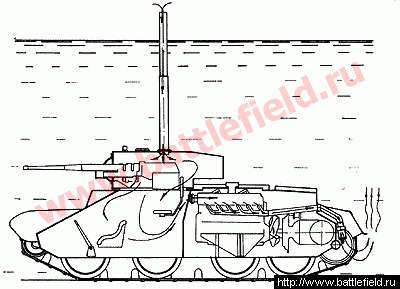
(Ледокол, глава « Зачем коммунистам оружие?», стр. 28) Не все танки... Да. Это правда. Не все танки обладали и обладают такой возможностью. И сегодня и 50 лет назад не все танки. Включая СССР. Но не будем придираться, хотя фраза построена очень ловко, как бы намекающая на то, что старые БТ могли, а современные танки — не могут, а стало быть БТ в чем-то даже «круче» современных Абрамсов, Меркав и Леопардов. А еще в СССР был танк КТ («Крылья Танка»), который мог летать. В конце XX века «не все танки вероятных противников Советского Союза» имеют такую способность. Нету летающих танков! По Резуну выходит, к агрессии никто в мире не готов. Бред? Бред, конечно! И без летающих танков мир вполне себе воевал и воюет. Никакого отношения к готовности совершить агрессию ни летающие, ни плавающие танки не имеют! Ровно как и их двигатели или ширина гусениц. А по Резуну выходит, что именно серийные (а не экспериментальные!) танки БТ, начиная с 1936 года, могли пересекать реки по дну. Высказывание Резуна написало довольно туманно, хотя, думаю, что это издержки перевода. С одной стороны «почти под водой», с другой «глубокие реки». У танков глубина воды, которую они могут пересекать вброд известна. Конкретно для танков БТ она составляет от 0,85 м до 0,9 м. То есть, в любом случае это менее одного метра. Надеюсь, никто не будет называть реку глубиной в один метр «глубокой»? Следовательно, для пересечения по дну более глубоких рек танку требовалось специальное оборудование, верно? Верно. И такое оборудование под обозначением «ПХ» (подводный ход") действительно разрабатывалось. В таком случае, почему же Резун написал «почти под водой»? Ведь танк полностью скрывался под ней? Я думаю, что имеется ввиду то, что над водой оставалась торчать труба-воздухозаборник (см. эскиз). Оборудование для подводного хождения ПХ действительно испытывалось на танках БТ (и не только на них, кстати), но серийных машин не было ни одной. А вот в высмеиваемой им Германии на момент вторжения в СССР были серийные танки с оборудованием для подводного хода. То есть отмечаем: в СССР — только «смелые проекты и красивые картинки», как любит выражаться сам Резун, в Германии — серийное производство. Это к вопросу о тотальной «неготовности» Германии к войне. Опять высмеиваем или «не замечаем» неугодное, и прославляем угодное. Опять двойные стандарты. «В 1938 году на танках БТ начали устанавливать дизельные двигатели. Остальной мир начнет это делать через 10–20 лет».
(Ледокол, глава « Зачем коммунистам оружие?», стр. 28) Если все-же придерживаться фактов, то не в 1938-м, а годом позже, в 1939 году появились первые серийные БТ с дизельным двигателем В-2. К этому моменту в Англии, Италии, Японии уже тоже были экспериментальные и/или серийные образцы танков с дизельными двигателями. Они уже существовали в то время, а вовсе не «через 10–20 лет», как говорит Резун. Возможно, кто-то это сочтет пустяком, однако хочу заметить, что именно на таких «пустяках», на ветоше для протирки канала ствола, да на бараньих тулупах, Резун делает далеко идущие выводы, в том числе свой «главный» вывод. Поэтому мне приходится обращать на них внимание, а вовсе не потому, что я, дескать, «придираюсь к мелочам». Не вдаваясь в подробности, Резун просто отмахнулся от английских, итальянских и японских серийных танков с дизельными двигателями: «Были попытки использовать их на некоторых японских, итальянских и американских танках, но это были маломощные и примитивные двигатели».
(Последняя Республика, глава «Про огнеопасные танки», стр. 234) Дескать, и говорить о них не стоит. Понятно, почему не стоит говорить, сам сказал: «Главное для историка — факты. Для агитатора — интонация» (Последняя Республика, глава «Какие танки считать легкими»). На каком основании Резун пишет «были попытки»? Почему он серийные машины называет «попытками», а наши многолетние малоуспешные попытки создать танк с оборудованием ПХ — «серийными танками»? Не догадываетесь? Вас просто дурачат, вас держат за простаков, полагая, что вы не станете проверять, а поверите на слово. Обо всех этих двигателях Резун говорит исключительно с насмешкой, даже не пытаясь привести каких-то доводов. Именно эта насмешка и является его единственной надеждой: мол, только дурак осмелиться спорить с таким очевидным фактом! Понятное дело, кому захочется считать себя дураком? В очередной раз удивляюсь хорошему знанию Резуном человеческой психологии. Раз уж речь зашла о танках БТ, немного поговорим о них: «Первые БТ имели скорость 100 км в час. Советские источники дают цифру 86 км/час, иногда даже 70. Объяснение простое: на советских дорогах слишком мощный двигатель рвал силовую передачу, поэтому приходилось ставить ограничитель мощности. При действии на автострадах ограничитель можно было просто снять...»
(Ледокол, глава «Зачем коммунистам оружие?», стр. 27) Было бы очень интересно узнать об «ограничителе мощности» подробнее. Ни на БТ, ни на танках Кристи — прототипах БТ — никаких «ограничителей мощности» не было. Я бы посоветовал господину Резуну этот ограничитель выкинуть и обзавестись другим ограничителем — вранья. Заодно хотелось бы узнать, откуда почерпнуты сведения о 100-км скорости БТ? Открываю книгу М.Павлов, И.Павлов «Советские танки и САУ», там написано что по шоссе танки БТ могли развивать на колесном ходу скорость в лучшем случае 71–72 км/ч. Может быть, Резун перепутал БТ с оригинальными танками Кристи, закупленными в США? Нет, эти танки Кристи тоже не могли развивать такой скорости, но 70 км/ч. Даже у БТ-7М заявленная скорость была 86 км/ч. Объяснение Резуна просто смехотворно (цитирую, та же глава, стр. 27) «Лучшие западные эксперты считают, что максимальная скорость танков БТ была не 70 км/час, а 70 миль/час.» Что же господин Резун постеснялся назвать фамилии этих «лучших западных экспертов»? Опять получается «одна бабушка сказала». Хотя если быть до конца честным, то я вполне допускаю, что в какой-то западной книжке была такая ошибка. Скорее всего это просто опечатка людей, которые привыкли измерять скорости в милях, а не в километрах. Но я сомневаюсь, что на этом где-то акцентируется внимание и маститый «лучший эксперт» пишет в своей книге «а на самом деле скорость БТ была не 70 км, а 70 миль в час». Вообще, западные источники в вопросах реальных характеристик советских танков весьма неточны и пользоваться ими следует в последнюю очередь. Это знает всякий, кто работал и с советской, и с западной литературой, наверняка знает это и Резун. Да и сами западные историки вполне охотно признают это, с большим удовольствием пользуются советскими источниками, когда речь идет о советских танках. Итак, откуда Резун взял скорость 100 км/ч — неизвестно. А поскольку все найденные мною источники называют другие цифры, то делаем вывод — соврал. А поскольку эти же источники поименованы в списке использованной Резуном литературы, то приходим к окончательному выводу: соврал сознательно. Вообще, зачем нужен «ограничитель мощности»? Непонятно, каким образом, ограничивая мощность двигателя, ограничить его скорость? Было бы понятнее, если бы Резун говорил об ограничении скорости вращения вала двигателя. Но Резун упорно твердит ограничитель мощности, мощности, мощности... Если двигатель «рвал силовую передачу», то почему он не будет ее рвать на автостраде, почему этот ограничитель вдруг можно на автостраде «просто снять»? На самом деле на некоторые двигатели (в том числе и на В-2) ставилось устройство-регулятор для предохранения двигателя от «разноса» на сверхвысоких оборотах, а вовсе не из-за некоей мифической «силовой передачи» (еще один безграмотный термин), которую он якобы «рвал». Этот «ограничитель» ограничивал именно число оборотов двигателя, а вовсе не его мощность, он ставился штатно и его конструкция не предназначалась для легкого съема или отключения. А в приведенной выше цитате описано устройство, которое можно было «просто снять». Поэтому нельзя сказать, что Резун просто описАлся, он, как в пословице, слышал звон, но не знает где он. Становится совершенно очевидно, что Резун некомпетентен в технических вопросах. «Тут меня перебьют: отчего же советское превосходство не сказалось в июне сорок первого?
Красная Армия готовила агрессию, и потому танки были собраны ордами у самой границы... При внезапном ударе советских танкистов перестреляли еще до того, как они добежали до своих танков, а танки сожгли или захватили без экипажей. (При нашем внезапном ударе на той стороне эффект мог быть точно таким же, с поправкой на то, что танков в германской армии было в семь раз меньше, чем в советской, и потому задача разгрома упрощалась)»
(Последняя Республика, глава «Как тюремную пайку уравнять с кремлевским пайком?», стр. 399) Нужно быть полным резуном, чтобы писать такую глупость! Господин Резун, неужели вы всерьез полагаете, что 24 тысячи советских танков были сосредоточены не далее 500 метров от границы, что советские танкисты просто не успели добежать до своих танков? Если так, то, пожалуйста, потрудитесь предъявить доказательства, ибо в своей книге ваше заявление оставлено голословным. Напоминаю специально для вас: кухонно-бытовая логика доказательством не является. И воспоминания из серии «ОБС» — одна бабушка сказала — тоже не являются доказательством. Чтобы убедиться в ложности этого утверждения не нужно быть семи пядей во лбу, не нужно оканчивать академию Фрунзе, и не нужно закладывать всю советскую резидентуру в Женеве. Достаточно взять любую карту, на которой нанесена дислокация механизированных корпусов РККА на 22 июня 1941 года. Найти такую карту несложно, ибо это никогда ни одним «кремлевско-лубянским историком» не скрывалось. «В 1938 году в Советском Союзе начаты интенсивные работы по созданию танка с совершенно необычным индексом „А-20‛.
Я долго искал ответ на вопрос и нашел его на заводе № 183.
Не знаю, правильно ли объяснение, но ветераны говорят, что изначальный смысл индекса „А‛ — автострадный. Объяснение лично мне кажется убедительным. Танк А-20 — это дальнейшее развитие семейства БТ. Если у БТ главная характеристика вынесена в название, почему у А-20 главная характеристика не может быть вынесена в название? Главное назначение А-20 — на гусеницах добраться до автострад, а там, сбросив гусеницы, превратиться в короля скорости.»
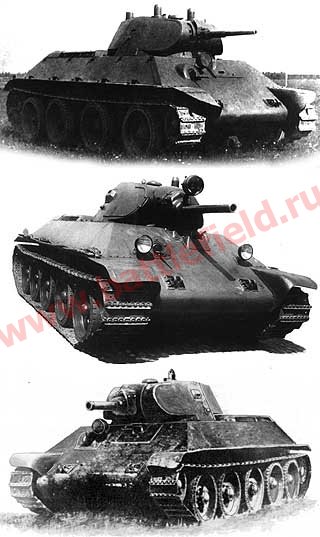
(Ледокол, глава «Зачем коммунистам оружие?», стр. 30-31) Сразу отмечаем, что фамилии «ветеранов» отсутствуют. Опять «одна бабушка сказала». Это затем, чтобы, во-первых, невозможно было проверить истинность написанного, а во-вторых заработать кредит доверия у читателя, мол «вот какой я настоящий исследователь, я так долго искал ответ, весь измучался, ночами не спал, даже на завод № 183 съездил, нашел и опросил там всех ветеранов и вывел таки этих кремлевских историков на чистую воду»! Индекс танка «А-20»; Резун преподносит как сокращение от слова «автострадный» и отсюда и делает выводы космического масштаба, что, дескать, СССР готовился к боевым действиям на территории Германии (где, «как известно», были хорошие дороги). Индекс «А» получали все разрабатываемые на ХПЗ машины. А-20, о котором говорит Резун, это действительно танк с колесно-гусеничным движителем, но из этого вовсе не следует, что он был «автострадным». Ибо параллельно разрабатывавшаяся модель тоже носила этот индекс — А-32, но это была чисто гусеничная машина. И еще одна машина — А-34 — тоже была чисто гусеничной. Вероятно, Резуну невдомек, что А-34 был принят на вооружение под обозначением «Т-34». По Резуну выходит, что Т-34 был автострадным?! Ошибочен тезис о том, что вообще танк с колесным движителем нельзя использовать на территории СССР, что пригоден сей движитель для перемещений исключительно по германским автобанам. Как же построить такой танк, если его даже толком испытать негде? Есть масса документальных и фото-свидетельств об успешных испытаниях и последующем боевом применении танков БТ на колесном ходу на территории СССР, причем на пересеченной местности. Основная идея колесного хода — это вовсе не добиться выигрыша в скорости перемещения танка (которая, кстати, вообще имеет мало общего со скоростью движения танков в колонне на марше), а в попытке сберечь ресурс гусениц, которые в то время не превышал нескольких сот километров. Позже была разработана новая гусеница, с более мелким траком и существенно бОльшим ресурсом и нужда в колесном ходе отпала (для примера: ресурс гусеницы БТ — около 500 км, ресурс мелкозвенчатой гусеницы Т-34 — около 2500 км). Резун говорит, что якобы Жукову не понравились БТ на колесном ходу по результатам боевых действий на Халхин-Голе. Возможно. Только какое это имеет отношение к 1941 году? Возможно, что Жукому колесные БТ и не понравились, так речь ведь идет о 1939 годе, когда вопрос о принципе колесно-гусеничного танкового движителя активно дискутировался на всех уровнях. Дело кончилось тем, что в том же 1939 году провели сравнительные испытания колесно-гусеничного А-20 и чисто гусеничного А-32. По результатам испытаний предпочтение было отдано чисто гусеничному движителю Именно таким и стал потомок А-32 — танк Т-34. Напомню, что до начала войны с Германией оставалось еще полтора года. Получается, что ЗА ПОЛТОРА ГОДА ДО НАЧАЛА ВОЙНЫ СТАЛИН САМ, СОВЕРШЕННО СОЗНАТЕЛЬНО, ОТКАЗАЛСЯ ОТ «АВТОСТРАДНЫХ ТАНКОВ», НЕОБХОДИМЫХ ДЛЯ АГРЕССИИ В ГЕРМАНИЮ. Выводы делайте сами. «Красная Армия готовила внезапный удар на 6 июля 1941 года, и потому, как перед любым грандиозным предприятием, шла лихорадочная подготовка. В танковых войсках это выглядит так: гусеницы менять или перетягивать, двигатели регулировать, коробки передач перебирать, менять катки, разбирать оружие, а перед проведением работ — боекомплект из танков выгружать, топливо и масла сливать. (Немцы этот момент проскочили в середине июня.) Внезапный удар по любой армии в такой ситуации смертелен».
(Последняя Республика, глава «Как тюремную пайку уравнять с кремлевским пайком?», стр. 399) Конечно, если армия состоит сплошь из умалишенных или дилетантов то все выглядит именно так. Слава богу, в Красной Армии, равно как и в других армиях, таких «дятлов» старались не допускать до управления войсками. То, что было описано выше — это не армейские реалии, это просто собачий бред! Надеюсь, что читатель извинит меня за резкость, просто другого слова не подберешь. Ни один командир, находясь в здравом рассудке, не допустит нулевой боеготовности вверенных ему подразделений. Потому что, в отличие от Резуна, он учился в военной академии и твердо знает, что часть либо боеготова, либо нет, она не может быть боеготова «для нападения», но не боеготова «для обороны». И командира, сознательно допустившего небоеготовность своей части, просто отдадут под суд военного трибунала. Поэтому никогда такие вещи не делаются сразу, только последовательно: сначала в одном батальоне, потом в другом, потом третьем... Поэтому в любой момент часть способна к ведению боевых действий (исключение составляют только части, находящиеся в глубоком тылу на переформировании или пополнении). Перед боем или маршем, действительно, машину нужно осмотреть, проверить ее наиболее подверженные поломке части. Только не нужно разбирать коробку передач, не нужно сливать масло и топливо, не нужно вытаскивать боекомплект! Существуют четкие регламентные работы по проверке технического состояния боевой машины. В числе общих такие, как проверка натяжения гусениц, проверка уровня масла и его долив (а не слив!), проверка герметичности маслопровода, топливопровода, системы охлаждения, уровня заряда батарей, и так далее. Большинство из этих работ предполагают визуальное наблюдение. Разбирать пол-танка не нужно! Вся необходимая информация по работам для каждой машины четко, по пунктам, расписана в руководстве службы на эту машину, ее знает назубок каждый механик, командир танка, заммпотех роты и так далее. Эти руководства службы — сплошь несекретные издания, сегодня найти их можно практически в любой крупной технической библиотеке. Поэтому цитату «практически все свои деньги трачу на книги. В моей библиотеке, которой я горжусь, об одних только танках — 407 томов» («Последняя Республика, глава „А какие танки были у Гитлера?‛, стр. 282) я воспринимаю исключительно как попытку заработать очередной кредит доверия у читателя. Это самая настоящая вульгарная рисовка: иметь 407 томов по танкам и не прочесть хотя бы одно руководство службы на танк Т-34 (коих выпущено было более 65 тысяч!) — я вас умоляю! Точно также и с А-20. Не нужно было выдумывать историю с поездкой на завод № 183 и несуществующий разговор с бесфамильными ветеранами. А достаточно было открыть журнал „Техника-молодежи‛ за 1983 год, где в рубрике „Наш танковый музей‛ была напечатана статья И. П. Шмелева „Знаменитая тридцатьчетверка‛. Треть этой статьи Игорь Павлович посвятил рассказу об А-20 и А-32. И даже цветные проекции А-20 художника М.Петровского приведены. Кто-нибудь верит, что „Техника-молодежи‛ — секретное издание „лубянских историков‛??? Не нужно было обманывать про 407 книг о танках. Вранье все это, ибо про А-20 и А-32 написано практически во всех советских книгах о Т-34. Следовательно, Резун либо врет, что читал эти книги, либо сознательно обманывает с расшифровкой индекса „А‛. 2. Резун об отсутствии карт В главе „Почему товарищ Сталин не расстрелял товарища Кудрявцева?‛ книги „Последняя Республика‛ Резун уверяет, что не было у нас карт собственной территории, потому что не готовились обороняться. В качестве доказательства приводит душещипательную историю о единственной карте в одной из дивизий 22-й армии. Все это было бы правдой, если бы Резун сказал, что проблемы с картами наши войска стали испытывать не в самом начале войны, а когда наши войска отступили за Днепр. Вот тогда действительно, такие проблемы имели место быть, что и неудивительно, ибо по советским военным планам мы не собирались вести ее в глубине своей территории, но быстро перенести на территорию противника. Но Резун этого не сказал, поскольку это не соответствует его теории. Он это знал, но сознательно умолчал. И все приведенные им примеры и свидетели именно о том и говорят. В одном месте Резун все-таки проговорился: »В ноябре 1941 года Голиков был генерал-лейтенантом, командовал 10-й армией... Но проблема остается: «Имелось лишь два экземпляра карты. Один находился у меня, другой — у начальника штаба армии». (Последняя Республика, глава «Почему товарищ Сталин не расстрелял товарища Кудрявцева?», стр 252) Господин Резун, как вы сами сказали, речь идет о ноябре месяце. Вам вопрос на засыпку: где в это время проходил фронт? У границы ли? 3. Резун об артиллерии «О наступательных намерениях чекистов говорят и гаубичные артиллерийские полки в составе войск НКВД. Пушки малого и среднего калибра стреляют настильно и потому хороши в обороне: настильным огнем мы заставляем наступающего противника остановиться, лечь, врыться в землю. А вот когда мы поменяемся ролями — мы наступаем, а противник в траншеях обороняется, пушки нам мало помогут: траектории настильные, снаряды летят над траншеями противника, вреда ему не причиняя, и тогда наступающему нужны гаубицы. Гаубица отличается от пушки крутой навесной траекторией... Если готовимся к наступательной войне, производим гаубицы, к оборонительной — пушки, и уж, конечно, в предвидении оборонительной войны вооружаем пушками боевые войска, а не карательные.»
(Ледокол, глава «Зачем чекистам гаубичная артиллерия?», стр. 70) Красиво, да? То есть в наступлении гаубица хороша, пушка плоха, особенно малого и среднего калибра. Поэтому по количеству пушек и гаубиц в частях можно судить о том, к чему армия готовится: к обороне или нападению. Если гаубиц много — то к нападению, а если пушек много — то к обороне. И вооружаем этой артиллерией обычные боевые части. Например, стрелковые дивизии. Хорошо, поверим. А теперь читаем «День М», главу «Об артиллерийских полках» (стр. 464): «Помимо увеличения количества артиллерийских полков были другие пути, по которым шло насыщение войск артиллерией. До осени 1939 года в составе каждой стрелковой дивизии было по 18 45-мм противотанковых пушек. После Халхин-Гола их количество в каждой дивизии увеличилось до 54. Внешне та же дивизия, а противотанковых пушек втрое больше». Ах, какой пассаж! Итак, после Халхин-Гола наша армия усиленно готовилась к обороне, поскольку втрое увеличила число пушек малого калибра (45-мм) и не в карательных частях, а в обычных стрелковых дивизиях! Почему Резун заврался? Очевидно потому, что трактует одни и те же факты по-разному, в зависимости от того, что он пытается доказать в данный момент. Опять двойные стандарты. Резун сел в лужу еще и потому, что ни одно из приведенных им объяснений не верно. И в обороне, и в наступлении нужны и пушки, и гаубицы. Будучи полным дилетантом, Резун представляет стратегическое наступление на примитивном бытовом уровне. А в каждой крупной боевой операции встречаются все элементы тактического боя. Внезапные контратаки противника тоже не исключены. И стрелять артиллерии приходилось не только по окопам немцев, а и по ДОТам и ДЗОТам, и по домам, и по контратакующим танкам и пехоте. Тут мне один «резунист» сказал, что «вы, наверное, просто не в курсе, что 45-мм пушки были противотанковыми, а значит предназначались для поражения танков». Конечно же я не в курсе, что 45-мм батальонная пушка образца 1932/38 гг. с заводским индексом 19-К называлась «противотанковой», потому, что была основным средством стрелковых частей по борьбе с танками противника. Откуда мне такое знать? Я вот только до сих пор не пойму, зачем боекомплект к этой пушке по штату на 2/3 состоял из осколочно-фугасных гранат? 4. Резун о снарядах на грунте «В апреле 1941 года из Главного артиллерийского управления Красной Армии поступило распоряжение: продукцию Наркомата боеприпасов вывозить к западным государственным границам и выкладывать на грунт.
Спросите у фронтовиков, что это означает.
Кремлевско-лубянские историки вынуждены признать, что Сталин готовил агрессию, Сталин готовил порабощение Европы, но, говорят они, Сталин мог совершить агрессию только в 1942 году. Давайте спросим у этих историков, можно ли оставить под открытым небом на осенние дожди, на снежную зиму и на весеннюю грязь некоторое количество боеприпасов, скажем, пятьсот тысяч тонн?
...
Выкладка боеприпасов на грунт в 1941 году означала решимость начать войну в 1941 году, и никакого иного толкования этому факту не придумать.»
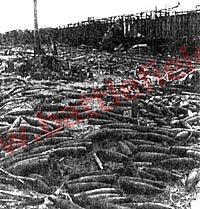
(День М, глава «Как строить пороховые заводы?», стр. 420) А ссылочку на это распоряжение господин Резун «забыл» привести? Какая странность, особенно на фоне явного стремления давать ссылку к каждой, даже самой пустяковой цитате! Я все же не постеснялся проявить свою неосведомленность в вопросах хранения боеприпасов и, воспользовавшись советом Резуна, обратился к специальной литературе. Ответ был совсем не тот, который подразумевал Резун. Выяснилось, что хранение боеприпасов на воздухе не только допускается, но и довольно широко практикуется. Разумеется, не «под открытым небом», но под брезентовым навесом. Почему? Потому, что стационарный склад — довольно дорогое удовольствие. Хранят боеприпасы «на грунте» годами, это не страшно, поскольку к укупорке снарядов подходят очень серьезно, каждый снаряд «законсервирован» в слое смазки или окрашен, сами снаряды уложены в довольно плотные деревянные ящики. Заметьте, что Резун не уточняет, что на самом деле подразумевается под фразой «выкладка на грунт». Вопреки бытовому суждению (на которое, собственно, и расчитывает Резун), это вовсе не означает «бросать снаряды прямо в лужи и грязь». Выкладка на грунт — это именно создание складов как я описал выше: ящики под брезентом, на деревянных поддонах. И не нужно играть на бытовой логике, «на грунт» и «в грязь» — это разные вещи! Теперь по поводу вывоза боеприпасов к западным границам. Резун очень хитро построил фразу, давайте вчитаемся в нее еще раз: «продукцию Наркомата боеприпасов вывозить...» Каждый снаряд — это тоже продукция наркомата. Поэтому если, скажем, я вывезу в приграничный лес один снаряд, то не будет ошибкой заявить, что «он вывез в приграничный лес продукцию наркомата боеприпасов». Иными словами, Резун не уточняет количество вывозимой «продукции». Хотя психологически эта фраза читается так: «всю продукцию наркомата боеприпаса вывозить...» Пропущено одно короткое слово, но как много оно меняет! Ведь может оказаться, что процент вывезенной к границам «продукции» был незначительным, скажем 10-15%. Остальные 85-90% к границам не вывозились. Ловко, да? И куда-то сами собой подевались агрессивные намерения СССР, который все боеприпасы выложил на грунт в приграничных лесах. Возвратимся, однако, к вопросу: вывозил или нет? Скорее всего, вывозил, но как иначе? Находящимся у границ войскам нужны боеприпасы или нет? Вопрос в том, сколько вывозил и куда именно. Рассмотрим на примере Западного особого военного округа (ЗоВО). Вот данные по удаленности от границы складов боеприпасов:
3-я армия
Гродно (30 км) оас 856 гас 1498 осг 919 гсг 1020 опс 817 гпс 1241
Лида (120 км) осг 928 гсг 1022 опс 816
Мосты (110 км) осг 929 гсг 1033
10-я армия
Хайнувка (70 км) оас 838 гас 1447 осг 926 гсг 1048
Белосток (80 км) осг 920 гсг 1040 опс 819
Моньки (40 км) осг 923 гсг 1019
Червоный Бор (?) гсг 1018
Волковыск (120 км) гсг 1044 опс 818
Бельск (50 км) осг 925 гсг 1038
4-я армия
Бронно Гура (120 км) оас 843 гас 1483
Пинск (170 км) оас 847 гас 1484
Кобрин (50 км) осг 921 гсг 1034
Черемха (40 км) осг 927 гсг 1024
Оранчицы (100 км) осг 930 гсг 1023
Лахва (210 км) осг 933 гсг 1025
Брест (0 км) опс 821 гпс 1321
Лунинец (210 км) гпс 1319
оас — окружной артсклад
гас — головной артсклад
осг — окружной склад горючего
гсг — головной склад горючего
опс — окружной продсклад
гпс — головной продсклад Судя по всему, «головные склады» как раз и представляли из себя ж.д. составы. Как видим, в непосредственной близости от границы находится не так уж много складов. Удаление же от границы в 80–100 км и далее не может считаться признаком агрессии. Даже самая дальнобойная советская артиллерия того периода имела предельную дальность стрельбы менее 30 километров. Следовательно, если бы мы собирались обстреливать немецкую территорию, то артиллерию (и склады для нее) расположили бы в непосредственной близости от границы, во всяком случае не далее 20–25 км. Расположение же артиллерии на более дальних расстяниях говорит как раз об обратном: о том, что мы собирались обороняться и артиллерия была развернута на позициях ПОЗАДИ основной линии обороны для прикрытия наших войск и одновременно вне досягаемости немецкой артиллерии. И склады тут же. Зачем же складировать боеприпасы за 500 км от границы? Чем будут, в таком случае, воевать пограничные части? Знает ли господин Резун сколько необходимо боеприпасов для одной гаубицы для проведения, скажем, часовой артподготовки? А знает ли он, как выглядит со стороны это количество боеприпасов? Думаю, что знает, но молчит. А вот большинство читателей этого не знает, поэтому верят в гигантские склады, захваченные немцами в приграничных районах. Склады гигантские, но так ли много на них боеприпасов? Для примера возьмем широко распространенную в то время советскую 122-мм гаубицу М-30. В ТТХ сказано, что ее скорострельность составляет 6 выстрелов в минуту. Но мы предположим, что она стреляет вдвое медленнее. Таким образом, за час артподготовки гаубица израсходует 3×60 = 180 снарядов. То есть почти двести снарядов нужно ОДНОЙ гаубице для ОДНОЙ часовой артподготовки (и это при катастрофически заниженной мною скорострельности!). Вообще, кроме таких коротких артподготовок, бывали и двух, и трехчасовые. Посчитаем, сколько ОДНА гаубица израсходует снарядов в течение трех часов? А одна четырехорудийная батарея? А один гаубичный артполк? В моем издании книги «День М» для пущей убедительности дана даже фотокарточка (см. фото) разбитого эшелона и валяющихся на земле снарядов. И соответствующая подпись. Кажется — боже мой, сколько там снарядов! А на деле их даже не хватило бы на хорошую артподготовку одного гаубичного артполка. 5. Резун о прекращении войны посредством тысячи ТБ-7 «Имея тысячу неуязвимых ТБ-7, любое вторжение можно предотвратить. Для этого надо просто пригласить военные делегации определенных государств и в их присутствии где-то в заволжской степи высыпать со звенящих высот ПЯТЬ ТЫСЯЧ ТОНН БОМБ. И объяснить: к вам это отношения не имеет, это мы готовим сюрприз для столицы того государства, которое решится на нас напасть. Точность? Никакой точности. Откуда ей взяться? Высыпаем бомбы с головокружительных высот. Но отсутствие точности восполним повторными налетами. Каждый день по пять тысяч тонн на столицу агрессора, пока желаемого результата не достигнем, а потом и другим городам достанется. Пока противник до Москвы дойдет, знаете, что с его городами будет? В воздухе ТБ-7 почти неуязвимы, на земле противник их не достанет: наши базы далеко от границ и прикрыты, а стратегической авиации у наших вероятных противников нет. А теперь, господа, выпьем за вечный мир.
Так могли бы говорить сталинские дипломаты, если бы Советский Союз имел тысячу ТБ-7. Но Сталин от тысячи ТБ-7 отказался...
Если пять тысяч тонн бомб, которые ТБ-7 могли доставить одним рейсом, перевести на язык современной стратегии, то это — ПЯТЬ КИЛОТОНН. Это уже терминология ядерного века. Если пять килотонн недостаточно, то за два рейса можно доставить десять. А двадцать килотонн — это то, что без особой точности упало на Хиросиму.»
(День М, глава «Почему Сталин уничтожил свою стратегическую авиацию?», стр. 353) Во время войны союзники вывалили на немецкие города такое количество бомб, что хватило бы на несколько сотен Хиросим. Разрушения были велики, но немецкое производство не остановилось, и война не прекратилась. Более того, вермахт умудрялся наносить весьма чувствительные контрудары сразу на двух фронтах. Так что, боюсь, что и две, и пять тысяч ТБ-7 не помогли бы предотвратить войну. В самом худшем случае, немцы плотно занялись бы созданием контрмер по борьбе с ним: сверхдальнобойных зенитных пушек и высотных истребителей. Хотя за время войны немцы создали много всякого чудо-оружия. Им это слабо помогло. Резун пытается поразить наше воображение, говоря о мощи ТБ-7, приплетая сюда терминологию ядерного века. Дескать, несколько рейсов одной тысячи ТБ-7 эквивалентно 20-мегатонной атомной бомбе, упавшей на Хиросиму. А давайте зададимся вопросом: почему никто из противников обладателей ядерного оружия не поднял руки вверх? Ни Корея, ни Вьетнам, ни Ирак. То, что у противника (у США) имеется одна из самых сильных армий мира да еще и атомное оружие, вообще ни на что не повлияло! Они не побежали с плачем к дяде Сэму, не стали умолять пощадить их и не стали пить «за вечный мир». Вместо этого они взялись за оружие и все-равно стали воевать, и история доказала, что даже слабая и технически отсталая армия может заставить сильного врага с ядерным оружием отступить и запросить мира. Так почему же Гитлер должен был испугаться, тем более, что ТБ-7 — это все-таки не атомная бомба? Порочен сам подход к проблеме: нельзя весь вопрос переводить в плоскость тротилового эквивалента, нельзя считать тысячу ТБ-7 эквивалентом атомной бомбы. Таким манером можно понаделать ручных гранат, перевести их суммарный тротиловый эквивалент в мегатонны и пугать ими супостата «вот только попробуйте на нас напасть — мы на вас атомную бомбу бросим... из окопа!» То-то все испугаются! Довоенные реалии советской индустрии вовсе не предлагали иллюзий к постройке ТБ-7 в таких масштабах и советские специалисты, и руководство страны это знали. Порукой тому подлинные документы, показывающие нам реальные планы тех лет. Речь в них идет не о тысяче и даже не о сотне ТБ-7, а о единицах. Приведу две цитаты из документов. Обратите внимание на даты и на планируемое количество выпуска ТБ-7 и сравните с цифрой 1000 штук, преподносимую Резуном: «В целях обеспечения ВВС четырехмоторными военнотранспортными самолетами и дальними бомбардировщиками, КО постановляет:
1. Обязать Наркомавиапром — Шахурина А. И. и директора завода № 124 — Штейнберг организовать производство самолетов ТБ-7 на заводе № 124. Установить, что самолет ТБ-7 должен выполнять функции:
а) дальнего бомбардировщика,
б) военно-транспортного самолета.
2. Установить до конца 1940 года программу по заводу № 124 по самолетам ТБ-7 (сверх двух самолетов, сданных в 1 квартале 1940 года):
с мотором АМ-35А (без АЦН-2) — 10 самолетов
с мотором М-30 — 1 самолет
с мотором М-40 — 1 самолет
с мотором М-40Ф — 1 самолет
Всего — 13 самолетов»
Из постановления КО N227сс от 25.5.1940 И вторая цитата: «...
7. Ввиду затянувшихся сроков опытной постройки и внедрения в серийное производство самолета ТБ-7 (с 1935 года), что привело к некоторому отставанию летно-тактических данных самолета ТБ-7 по сравнению с другими типами самолетов, а также отсутствию опыта боевого применения самолетов такого типа — поставлена под сомнение целесообразность иметь в серийном производстве самолет ТБ-7. За оставление самолета ТБ-7 в серийном производстве имеется ряд доводов:
а) Отставание летно-тактических данных самолета ТБ-7 обуславливается тем, что этим самолетом не занимались как следует, в результате чего возможности для улучшения летно-тактических данных самолета ТБ-7 далеко не исчерпаны.
б) Опыт боевого применения самолетов ТБ-7 может быть получен, так как на заводе № 124 уже готова серия самолетов (3 шт.) для испытаний.
в) За границей 4-х моторный бомбардировщик всячески культивируется.
г) Сняв с производства самолет ТБ-7, тем самым будет сорвано строительство тяжелых самолетов (так как другого тяжелого бомбардировщика с лучшими данными у нас нет).
д) Завод № 124, освоивший с большим трудом самолет ТБ-7, получит новую машину (в который раз) и это лишит его возможности еще на пару лет войти в строй в качестве крупносерийного завода.
На этом основании нужно добиться чтобы самолет ТБ-7 в серийном производстве был сохранен.
Одновременно была бы поставлена задача КБ завода № 124 на базе самолета ТБ-7 создать новую, вполне современную машину.»
Из объяснительной записки к годовому отчету 11 ГУ НКАП (январь 1940) Прочитаем последнюю фразу еще раз: «на базе самолета ТБ-7 создать новую, вполне современную машину» и посмотрим на дату: январь 1940 года. Итак, уже в начале 1940 года бомбардировщик ТБ-7 не считался современным самолетом. Очень хорошо по поводу ТБ-7 высказался историк Сергей Харламов в своей статье. 6. Резун о разгроме Германии путем удара на румынские нефтепромыслы. «Если даже 1000 советских танков бросить в затяжные бои против 60 румынских, то и тогда сотни и тысячи других смогут беспрепятственно идти в Плоешти, не сворачивая и не маневрируя. Если идти со скоростью 25 км/час, то нам потребуется 7–8 часов. Одна ночь. Однако у нас не простые танки, а быстроходные, специально для такого дела созданные. Местность впереди ровная, грунт твердый, дороги хорошие. Танки БТ тут вполне могут идти со скоростью 40–50 км/час, а сбросив гусеницы — 70–80 км/час. До Плоешти — ТРИ часа чистого ходового времени.
И совсем не обязательно всем танкам дойти до нефтяных вышек: если дойдут десять танков, то и этого достаточно. Нефтяные промыслы можно поджечь зажигательными снарядами... или просто солдатской зажигалкой.»
(Последняя Республика, глава «Сколько часов до Плоешти») Я бы хотел посмотреть, как господин Резун подожжет нефтяные промыслы солдатской зажигалкой. Но читаем дальше (та же глава): «23 августа 1939 года в Москве Сталин (рукою Молотова) подписал такой пакт, по которому Гитлер получил войну на два фронта, по которому британский флот блокировал Германию и не допускал подвоза нефти морем. У Германии оставался единственный (достойный упоминания) источник снабжения нефтью. Его потеря означала бы остановку германской промышленности и паралич армии, авиации и флота. Без нефти воевать нельзя. Нефть — не только топливо, но и сырье для химической промышленности, без которого обойтись невозможно. Если одна советская танковая рота в десять танков появится в районе Плоешти и если у каждого танкиста в кармане окажется коробок спичек, то война в Европе завершится крушением Третьего рейха». И, наконец, резюме господина Резуна (та же глава): «Вывод: с августа 1939 года, с момента подписания пакта Молотова — Риббентропа, вся континентальная Европа жила под угрозой советского топора. Удар в нефтяное сердце Европы мог быть смертельным. Все советские танки, новейшие и старые, вышедшие с заводов и уже изношенные, представляли угрозу не только для Германии, но и для всей Европы». Уясним смысл сказанного: Резун считает, что для победы над Германией, а может, и всей Европы, достаточно было захватить либо уничтожить румынские нефтяные промыслы. Хорошо. Прочли Резуна, давайте прочтем что-нибудь еще. Например, Военно-исторический журнал, на который так любит ссылаться сам Резун. По данным на 1941 год в Рейхе добывали 1,3 млн. тонн жидкого топлива, производили на заводах синтетического топлива 4,1–4,3 млн.тонн. Импортировали в том числе (!) и из Румынии 5 млн тонн. Имели запасов 8 млн.тонн. К сожалению, ВИЖ не уточняет, сколько именно нефти импортировали из Румынии. Допустим все, хотя это конечно не так ибо даже после присоединения Румынии к Германии часть нефти шла в Италию. Итого, в течение года и при условии полного исчерпания запасов и без увеличения мощности заводов синтетического топлива можно было израсходовать 18,5 млн.тонн с румынской нефтью или 13,5 млн.тонн без нее. Получается, что в самом теоретически худшем случае возможности по снабжению немецкой армии топливом падали всего лишь 27%. Повторяю, мы рассматриваем предельный случай, когда вся румынская нефть идет в Рейх. Чем дольше идет война (война на истощение), тем большую роль играет потеря Румынии. В войне, которую описывает Резун, значение этой потери незначительно. В 1941 году Плоешти бомбили советские бомбардировщики ДБ. По советским данным, результатом бомбардировок явилось падение производства более чем на 70%. В 1944 году Плоешти начали бомбить союзники. Производство упало на 50%. В августе 1944 года Плоешти окончательно попало в советские руки, но Германия, повторюсь, воевала до мая 1945 года, нанося при этом довольно мощные удары и на Восточном, и на Западном фронтах. Выходит, что Германия была способна воевать и без румынской нефти. Поэтому нет ничего удивительного в том, что Резун предпочитает не знакомить своего читателя, с какими-либо цифрами по румынской нефти, иначе его теория лопнет, как мыльный пузырь. 7. Резун о самолете «Иванов» — Су-2. «А кроме того, в ходе работ над проектом „Иванов‛ чья-то невидимая, но властная рука направляла тех, кто уклонялся от генерального курса.
...
Павел Сухой свой „Иванов‛ в первом варианте сделал цельнометаллическим. Попроще — сказал чей-то грозный голос. Попроще. Крылья пусть остаются металлическими, а корпус можно делать фанерным. Упадет скорость? Ничего. Пусть падает.
Странный вкус у товарища Сталина? Нет. Это стальная логика: мы наносим внезапный удар и давим авиацию противника на земле, после этого летаем в чистом небе. Самолет противника в небе — это редкий случай».
(День М, глава «про Иванова») А теперь читаем ту же книгу (День М), главу «Крылатый Чингисхан»: «Сталинский замысел: создать самолет, который можно выпускать в количествах, превосходящих все боевые самолеты всех типов во всех странах мира вместе взятых. Основная серия „Иванова‛ планировалась в количестве 100 — 150 тысяч самолетов.
...
Возникает вопрос: если мы выпустим 100 — 150 тысяч легких бомбардировщиков, то не перепугаем ли всех своих соседей? Давайте не задавать таких вопросов. Давайте не будем себя считать умнее Сталина. Давайте отдадим должное сталинскому коварству.
Сталин вовсе не собирался начинать массовое производство „Иванова‛ в мирное время. Совсем нет Мобилизация делилась на два периода: тайный и открытый Во время тайной мобилизации планировалось выпустить малую (по советским понятиям) серию — всего несколько сот этих самолетов.
...
А после нашего удара начнется массовый выпуск „Иванова‛ десятками тысяч. „Иванов‛ — это как бы невидимый мобилизационный резерв». Я не понял, каким образом СССР нейтрализует все(!) самолеты противника на земле внезапным ударом, если 100 тысяч Су-2 будут выпущены после начала войны? Чем он их будет нейтрализовывать? Господин Резун, опять заврались? Также хочу спросить, откуда Резун взял цифру планируемого выпуска — 100 тысяч самолетов? Сам Резун эту цифру никак не объясняет, поэтому для него что 100 тысяч, что 150 тысяч — все едино. Разброс в 50 тысяч (!) самолетов для Резуна — пустячок. Читаем дальше (та же книга и глава): «Если бы вместе с Су-2 было заказано соответствующее количество истребителей прикрытия, то Су-2 можно было бы использовать в любых ситуациях, например для нанесения контрударов по агрессору.
...
Производство Су-2 было свернуто. В оборонительной войне он был не нужен.» Получается, что если готовимся к агрессивной войне и внезапному нападению, то нужно больше бомбардировщиков, а не истребителей, а если к оборонительной, то истребителей должно быть больше бомбардировщиков. Очень хорошо. А теперь давайте от слов перейдем к документам. Прочтем постановление СНК СССР от 12 апреля 1941 года «О плане текущих военных заказов НКО, НКВМФ и НКВД на II квартал 1941 года» (АП РФ, Ф.93, Коллекция документов) и с удивлением отметим тот факт, что вопреки утверждению Резуна, производство истребителей планировалось, и в довольно значительных количествах. Во всяком случае, оно превосходило производство бомбардировщиков: Истребителей — 2 179 шт.
Штурмовиков — 402 шт.
Бомбардировщиков — 1 099 шт.
Морских разведчиков — 20 шт.
Учебно-тренировочных — 776 шт.
Транспортных — 60 шт.
Авиамоторов — 9 325 шт. Как видим, всего истребителей собирались произвести более 2 тысяч, а бомбардировщиков вдвое меньше. Так к какой же войне мы готовились, господин Резун? По вашему собственному утверждению — к оборонительной. Кстати, в приложении к этому документу дается справка по типам самолетов. Так вот, на 2-й квартал 1941 года планировалось выпустить всего 190 Су-2. Господин Резун, не сто девяносто тысяч, а просто сто девяносто самолетов Су-2! Хочется поподробнее остановиться на цифре «100 тысяч» самолетов Су-2. Еще раз внимательно читаем Резуна и убеждаемся, что эта цифра ничем не подтверждается. Иными словами, Резун ее просто придумал. Но сделал это хитро: он сперва выдал цифру 100 тысяч, потом несколько страниц он через каждый абзац ее повторяет (речь идет о главе «Крылатый Чингизхан»), чтобы она отложилась в голове читателя, а в следующей главе («Инкубатор») неожиданно дает ее «объяснение»: «Это, конечно, совпадение, но чисто советское: в 1936 году Сталин отдал секретный приказ о разработке самолета „Иванов‛, который можно было бы выпустить серией в 100000 — 150000, и в том же 1936 году юное племя решает подготовить 150000 пилотов.» Заметили, как ловко Резун воспользовался этим числом? Сперва взял с потолка цифру «100 000 самолетов», и потом приплел к ней обычный большевисткий лозунг «даешь 150 000 пилотов!» Каждый, кто жил в СССР, знает, что подобных плакатных «Даешь» клеилось на стены домов тысячами, на эту туфту никто не обращал внимания и всерьез никогда не воспринимал. Но вдруг случайно циферки совпали и Резун узрел в них великие тайные планы Сталина. Хотя, скорее всего, Резун сперва прочитал этот «даешь», и подумал, что раз пилотов сто тысяч, то и самолетов должно быть сто тысяч. А потом уже придумал всю эту историю с «секретными приказами». А чтобы это хоть немножко смахивало на правду, начинает выдумывать математику (глава «Инкубатор»): "Осоавиахим растет и мужает. В конце 1939 года в его составе было 4 школы по подготовке инструкторов, 12 авиационно-технических, 36 планерных клубов и 182 аэроклуба. Сколько было самолетов в Осоавиахиме — не знаю. Но аэроклуб — это прежде всего аэродром. Не думаю, чтобы на аэродроме был один единственный самолет. Не думаю, что было и два. Зачем аэродром строить ради двух самолетов?.. Ну и так далее. Читатель мягко подводится бытовой логикой к мысли, что самолетов была тьма-тьмущая, потому что было много аэродромов, потому что было много аэроклубов. А вот о том, что несколько аэроклубов могли быть прикреплены к одному аэродрому почему-то ни слова. Даже если на один аэродром приходилось всего по 3 клуба, орда «суворовских» самолетов тает прямо на глазах! А реально к каждому аэродрому прикреплялось гораздо больше клубов. Источники: Энциклопедия «История Второй Мировой Войны» М. 1975, тт.3–4.
Военно-исторический журнал 1990–1998. Отдельные статьи
«Великая Отечественная война 1941-1945», под ред. В.Золотарева и др., М. 1998, тт.1-4
Г. М. Третьяков «Боеприпасы артиллерии», Воениздат, 1947
А.Шпеер, «Воспоминания»
А.Исаев, «Антисуворов: большая ложь маленького человечка», М., «Яуза», 2004
А.Исаев, «10 мифов Второй Мировой», М., «Яуза», 2004
Статья В.Чобитка «Теория и история развития компоновки танка», предложенная для журнала «Полигон»
T.Jentz, «Panzer Truppen», vol.1, Schiffer Military History, Atglen, PA
U.Feist «The German Panzers from MarkI to MarkV Panther», Aero Publishers Inc.
W.Spielberger, U.Feist «Sturmartillerie» Aero Publishers Inc.
М.Свирин, «Артиллерийское вооружение советских танков 1940-1945», Армада-Вертикаль № 4, 1999
И.Желтов, М.Павлов, И.Павлов, «Танки БТ», Армада
М.Барятинский, «Средний танк Т-34», Бронеколлекция № 3, 1999
И.Желтов, М.Павлов, И.Павлов, «Советские средние танки довоенного периода», Экспринт, 2000;
Количество и состояние танков РККА на 1 июня 1941 года
СНК СССР от 12 апреля 1941 года «О плане текущих военных заказов НКО, НКВМФ и НКВД на II квартал 1941 года»
Записка заместителю начальника оперативного управления генштаба Красной Армии генерал-майору А. М. Василевскому «Об укомплектовании танками формируемых мехкорпусов»
Статья Василия Чобитка
Статья Сергея Харламова
Статья Михаила Свирина
Статья Дмитрия Хазанова
Веб-сайт М.Гераськина
|